
The Mountain Running World Cup 2026 has wrapped up, showcasing 16 races across 10 countries and featuring 18,000 runners, all while distributing over €400,000 in prize money. This season marked a historic first with a final held outside Europe and a women’s title determined by a tiebreak.
Mountain Running World Cup 2026: 16 races, 10 countries and 18,000 runners
Race organizers are encouraged to submit their applications for the 2027 Mountain Running World Cup by Sunday, November 15. The World Cup provides a platform for local events to gain international exposure and connect local running communities with a global audience. As the only off-road running series recognized by World Athletics, every race included in the calendar receives official permit status.
This season blended traditional mountain running events with new venues, featuring competitions in Uphill, Classic Up & Down, and Long Distance formats. The participation exceeded 18,000 runners, and the total prize pool across individual events and overall awards surpassed €400,000. Additionally, a dedicated category prize money system was introduced, allowing athletes to gain extra recognition for their performances in specific disciplines.
From Portugal to Canada: the races that shaped 2026
The season commenced at São Brás Cross in Portugal, where competitors navigated village streets, river crossings, and challenging climbs. Ruth Gitonga (KEN) and Michael Saoli (KEN) emerged victorious in the opening Classic Up & Down race, an event sponsored by Turismo Centro de Portugal, setting the tone for their successful campaigns.
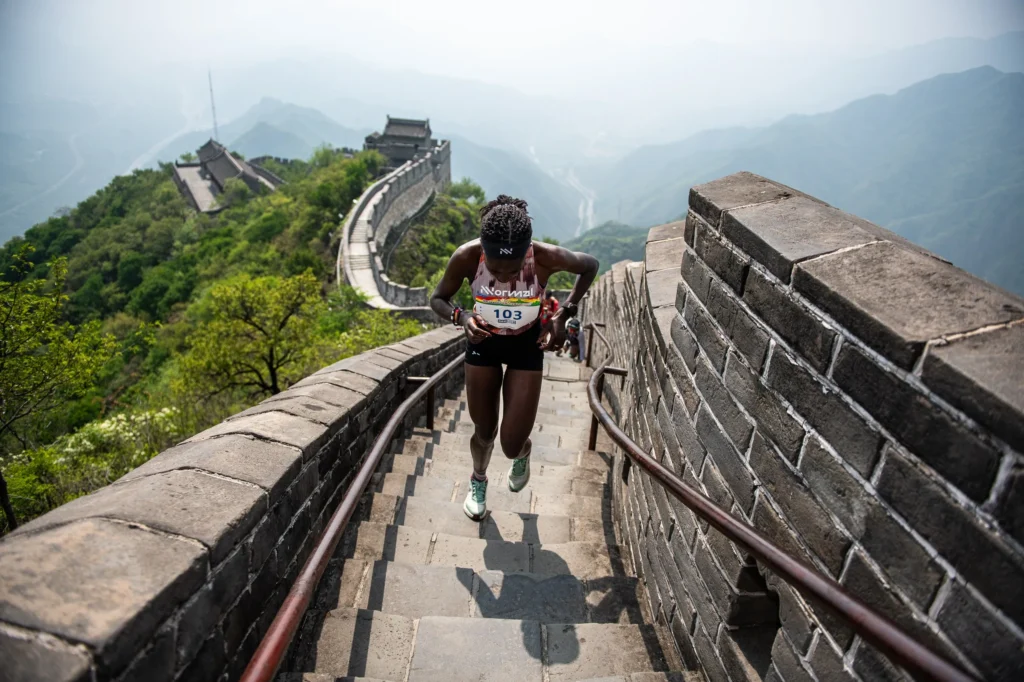
Beijing Changping in China presented two contrasting challenges. Isacco Costa (ITA) and Maude Mathys (SUI) claimed victory in the short Uphill time trial on the Great Wall, while Michael Saoli (KEN) and Joyce Njeru (KEN) won the Classic Up & Down race through the Silver Pagoda Forest. These events highlighted how the local landscape and heritage can enhance the sporting experience.
On La Palma, the Transvulcania event featured both an Uphill and a Long Distance race, with Richard Atuya (KEN) and Joyce Njeru (KEN) winning the Uphill, and Philemon Kiriago (KEN) along with Ruth Gitonga (KEN) triumphing in the Half Marathon. The volcanic terrain played a crucial role in determining the outcomes of the Long Distance race due to its steep descents.
In the United States, the Ascent at Broken Arrow concluded with intense competition on the climb above Palisades Tahoe. Patrick Kipngeno (KEN) secured the men’s title, while Anna Gibson (USA) made a decisive move near the summit to win the women’s race. Philemon Kiriago (KEN) set a course record in the 23K, with Mădălina Florea (ROU) taking the women’s title.
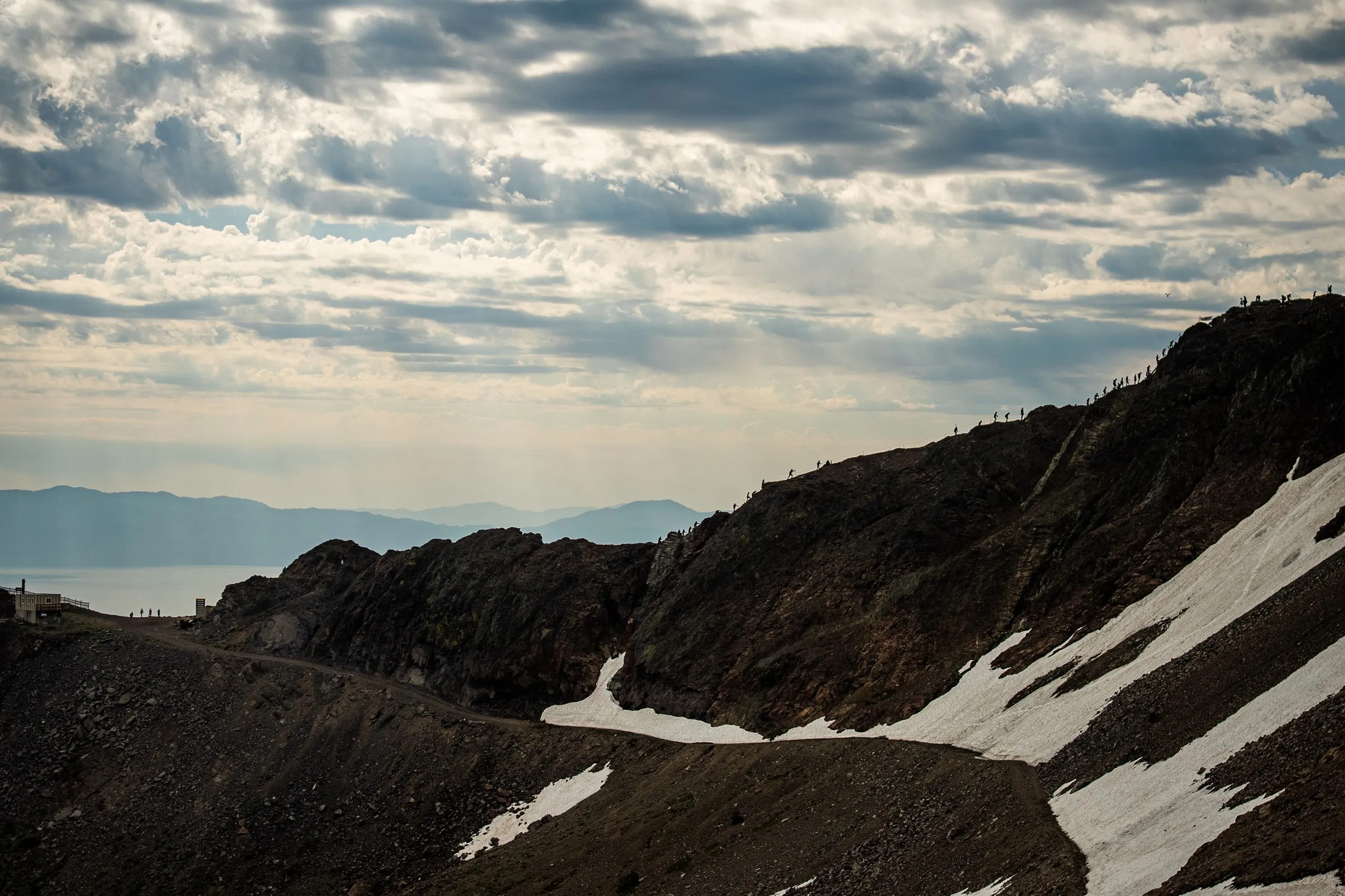
July brought the World Cup to the Grossglockner Mountain Run in Austria, where Richard Atuya (KEN) and Ruth Gitonga (KEN) led Kenyan sweeps on both podiums. This elite competition was part of a larger running festival that included recreational runners, children, and local participants.
At the Vauban Mountain Trail in Briançon, France, two races showcased different skill sets. Richard Atuya (KEN) successfully defended his Uphill title, while Francesca Ghelfi (ITA) made an impressive leap from sixth to first in the women’s race. The following day, Ephantus Njeri (KEN) secured his first World Cup victory in the Classic Up & Down, with Ruth Gitonga (KEN) also claiming victory among the scenic trails and historic fortifications.
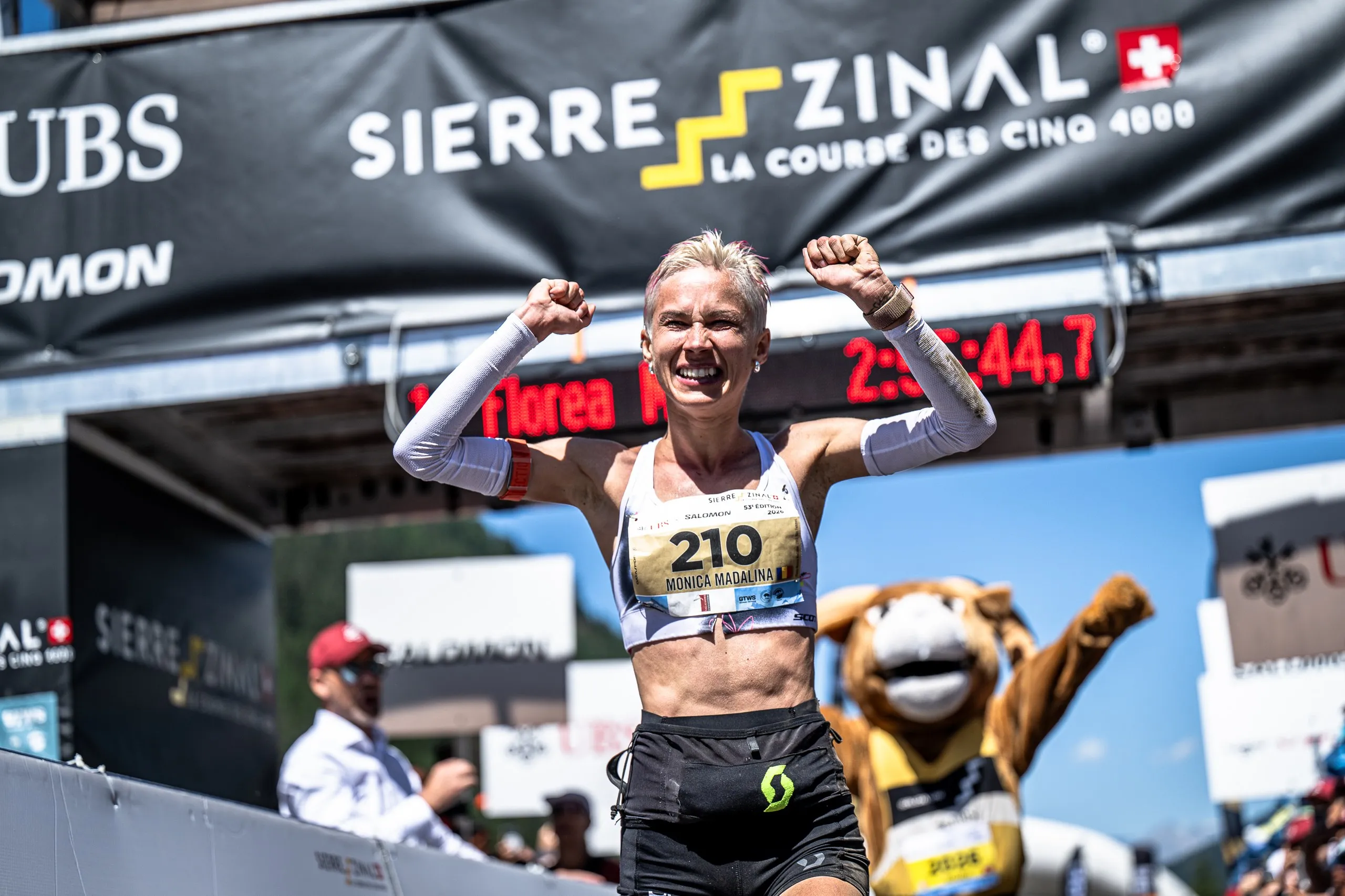
Sierre-Zinal in Switzerland once again attracted a strong international field for one of the key races in mountain running. Over its challenging 31km course, Philemon Kiriago (KEN) achieved his third win at this event, while Mădălina Florea (ROU) celebrated her first victory, demonstrating the importance of both sustained climbing and rapid descending at the elite level.
The Italian round featured Vertical Nasego and Trofeo Nasego. Nina Engelhard (GER) returned from injury to win the Vertical, while Patrick Kipngeno (KEN) captured his fourth title at this event. The following day, Philemon Kiriago (KEN) shattered the Trofeo Nasego course record with a time of 1:30:08, while Ruth Gitonga (KEN) won the women’s Long Distance race, finishing ahead of Engelhard.
The Long Distance segment concluded at Rollercoaster 21, part of Poland’s Three Lakes Marathon festival. The repeated climbs and technical descents through the Beskid Mały mountains led to breakthrough performances from Arianna Dentis (ITA) and Martin Nilsson (SWE), both securing their inaugural World Cup victories. This event highlighted the opportunities the circuit provides for emerging talents as well as established athletes.
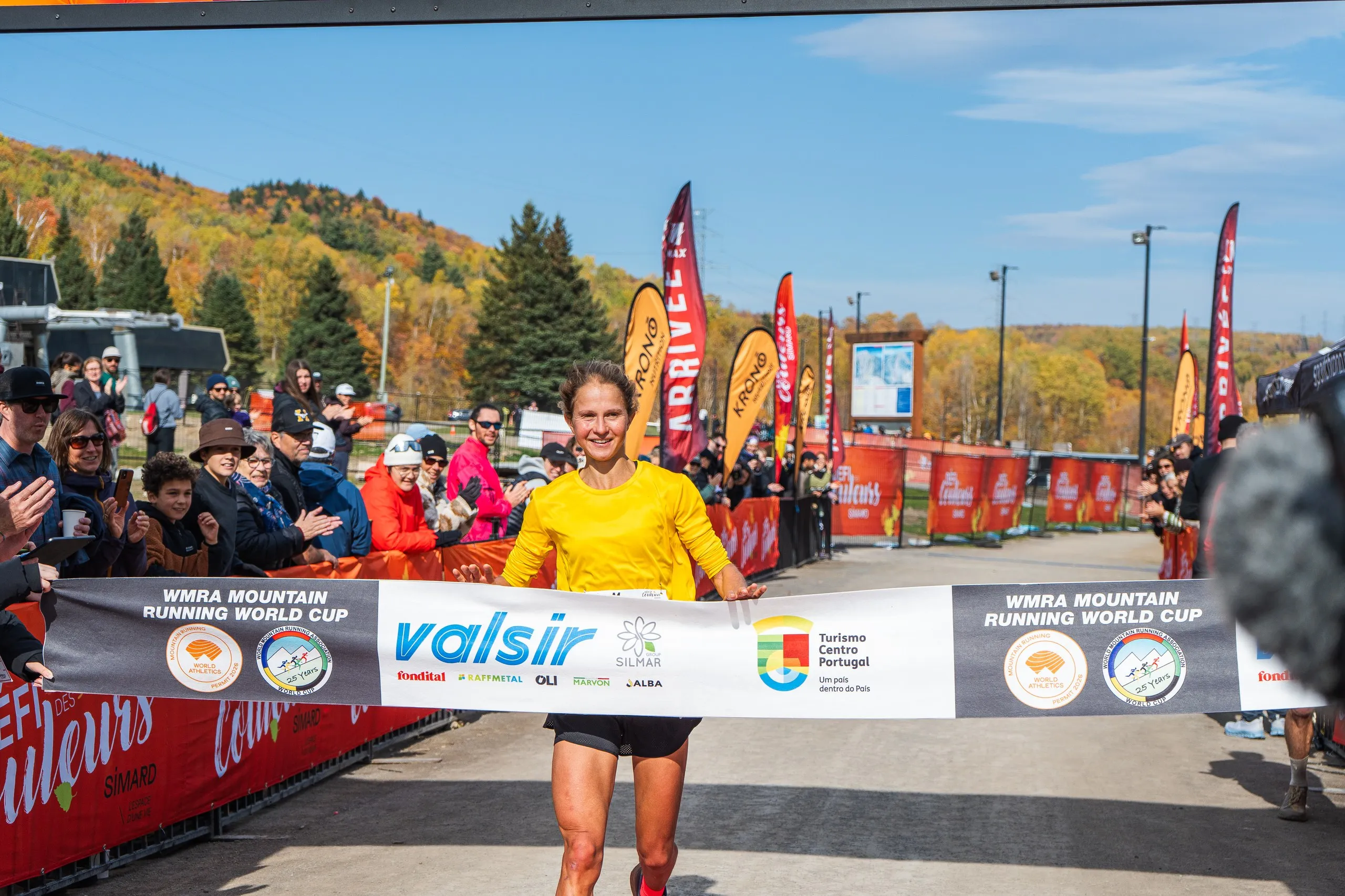
In a historic moment, Défi des Couleurs in Québec, Canada, hosted the first World Cup final outside of Europe. Nina Engelhard (GER) achieved victories in both the Uphill and Classic Up & Down races at Mont-Sainte-Anne. Meikal Beaudoin Rousseau (USA) clinched the men’s Uphill title, while Philemon Kiriago (KEN) rounded off his season with a win in the closing Classic Up & Down race.
A season decided by excellence and consistency
Philemon Kiriago (KEN) and Ruth Gitonga (KEN) emerged as the overall champions of the World Cup. The women’s competition remained competitive until the very end, with Gitonga and Joyce Njeru (KEN) finishing tied on 384 points. Gitonga secured the title due to her greater number of victories throughout the season.
The champions in the various categories showcased the diversity of talent present in the circuit. Joyce Njeru (KEN) and Richard Atuya (KEN) earned the Uphill titles, while Ruth Gitonga (KEN) and Michael Saoli (KEN) took home the Classic Up & Down awards. Gitonga and Philemon Kiriago (KEN) claimed the Long Distance titles.
Could your race be part of the next chapter?
The 2026 season showcased the wide variety of events contributing to the World Cup, including village races, challenging vertical climbs, esteemed Alpine classics, and mountain festivals that welcome participants of all skill levels.
For organizers looking to join this exciting initiative, the application window for 2027 is rapidly approaching its close. Submitted applications will undergo a selection process aimed at creating a calendar that meets the competition’s sporting and organizational standards.
Download the 2027 regulations and official application form, and ensure your application reaches the World Cup Manager by Sunday, November 15, 2026.
2027 World Cup regulations and application form
Bring your trails, your community, and your race to the global stage. Apply now.