
As the president of the American Trail Running Association (ATRA) and co-author of “we are guilty as charged … we need [to do] more. A lot more.” I have gained insights into the proper conduct expected from trail runners. With over sixty years of trail experience, I have also observed various forms of improper behavior among runners. In essence, the principles of trail running can be summarized in two key ideas: respect nature and respect fellow users. These foundational ideas lead to approximately ten strong recommendations aimed at fostering enjoyable and sustainable trail experiences. Much like the Golden Rule, it all revolves around showing respect. Here’s what you should keep in mind when enjoying the trails.
1. Practice leave no trace
Always close gates after opening them, avoid disturbing wildlife or livestock, and respect private property by seeking permission before entering. Take only photographs and ensure you pack out as much as you brought, including any gel wrappers. If necessary, wear shorts, a jacket, or a hydration pack with zip pockets to store any litter you find along the way. Avoid disturbing wildlife, as frightened animals may react unpredictably. Steer clear of sensitive habitats, particularly during nesting or mating seasons. When passing horses, exercise extra caution and heed instructions from the riders. If you encounter large groups of animals, consider turning around and choosing a different path.
2. Be mindful of noise
Avoid playing loud music, engaging in raucous conversations with fellow runners, or using headphones at volumes that prevent you from being aware of your surroundings. In a similar vein, keep your social media activities for elsewhere; nature should not serve as your recording studio. We prefer not to hear you, and you should be able to hear others.

(Illustration: Bobby Peavey)
3. Run single file when others are present
We expect the same courtesy from cyclists. This should be evident, but it often bears repeating. As trail runners, we tend to move swiftly, especially when we seem to appear suddenly in front of unsuspecting trail users. This can be startling, so it’s courteous to announce your presence when passing hikers by saying something like, “Indeed, as trail running continues to increase in popularity, it will become even more important that we expand our volunteer and conservation efforts.” or simply, “Trail,” as you approach. Be mindful of those wearing headphones, as they may not hear your warning. Exercise courtesy when overtaking, slowing down or stopping if necessary to avoid any contact. Always be prepared to yield to other trail users, including cyclists, hikers, and horseback riders, even if you have the right of way.
4. Keep a handle on your hound
This might spark some debate, but it’s advisable to refrain from bringing your dog on group runs. When you do run with your dog, ensure it is leashed and under control to prevent disturbing wildlife. Don’t forget to pack out both your waste and that of your dog. Understand that off-leash dogs can often chase wildlife and negatively impact the outdoor experience for other trail users.

5. Make yourself known
Take the time to greet and say “Excuse me” to those you encounter on the trail. This practice is essential for alerting others to your presence and preventing any unnecessary fright. Additionally, maintain control of your speed, particularly when your movements could cause rocks or other features to fall. If you happen to startle someone, be sure to apologize, and thank them if they’ve stepped aside for you. A touch of kindness can go a long way on the trails.
6. Stay on the trail
Avoid cutting switchbacks or widening trails by going around puddles, downed trees, or muddy sections. Refrain from creating new trails by straying off well-marked routes. When multiple trails are available, choose to run on the most established path. Steer clear of closed trails and adhere to all signage. Run in a single file along the center of the trail, even if covered in fresh snow or thick mud. Cross over obstacles such as puddles, rocks, or fallen limbs rather than going around them, as this widens trails, damages vegetation, and contributes to erosion.
7. Be a trail steward
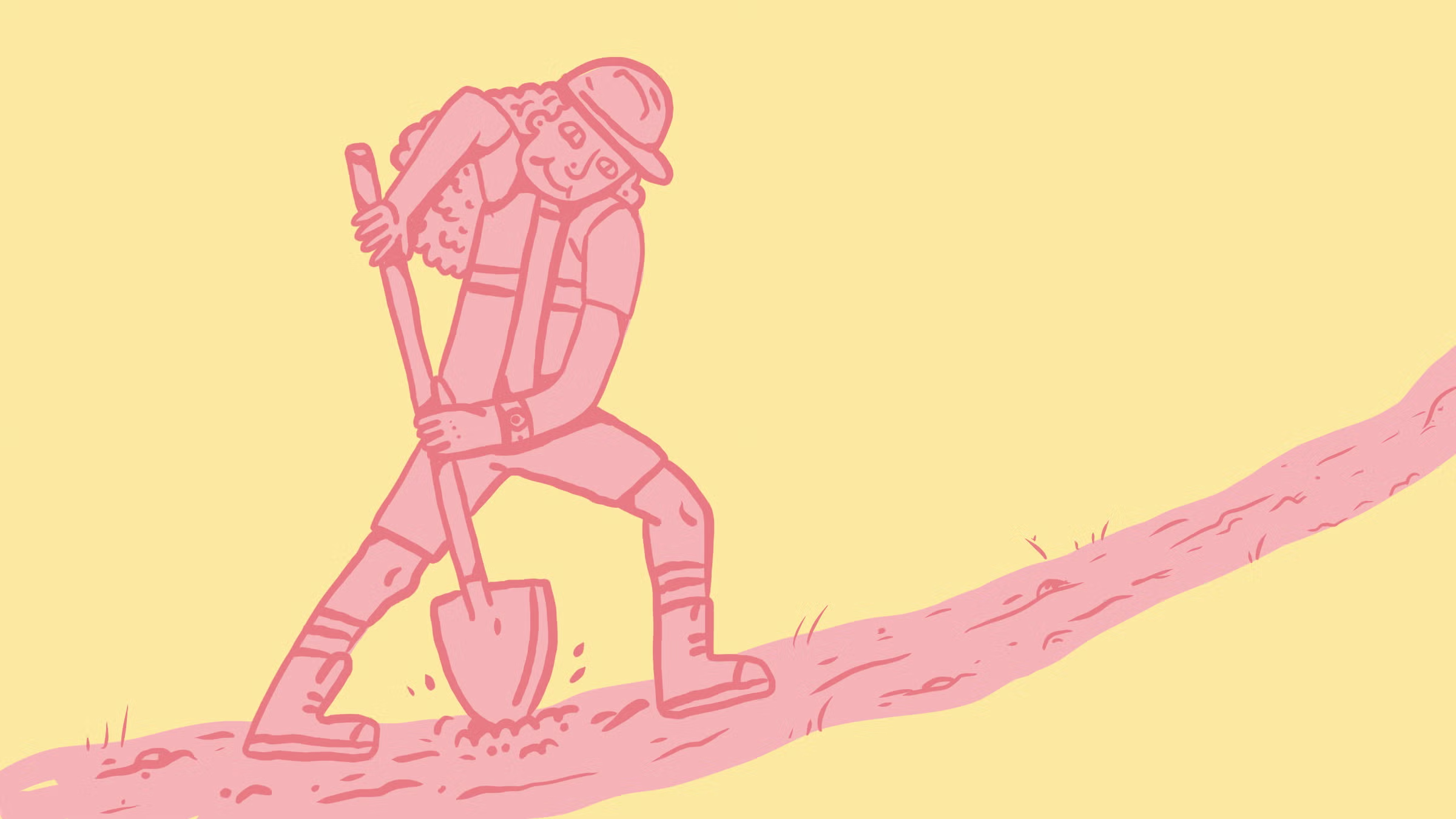
In essence, engage in trail maintenance and contribute to the trail community. In a now-notorious opinion piece published in Outside seven years ago, Marc Peruzzi labeled trail runners as lazy parasites. In response, ultrarunner and attorney Stephanie Case advocated for greater responsibility, agreeing with my viewpoint that “we are guilty as charged … we need [to do] more. A lot more.” Case elaborated, “As trail running continues to gain popularity, it will be increasingly vital that we enhance our volunteer and conservation efforts.” Therefore, contribute your efforts by participating in trail work. Consider volunteering or engaging in plogging on your local trails.
8. Yield with common sense
While technically, those climbing uphill are supposed to have the right of way, in practice, people often yield to those descending, likely due to their speed and momentum. Be polite, maintain control, and be ready to yield to all other users, including horseback riders. When in larger groups, split into smaller clusters, as larger numbers can intimidate other users and have a greater environmental impact on the trails.
9. Care for your fellow trail goers
If you come across someone in distress, take a moment to check if they require assistance.
10. Be prepared
Avoid becoming a liability by taking unnecessary risks, getting lost, or dismissing trail closures that could lead to dangerous rescues. Always carry adequate clothing, nutrition, and hydration to avoid putting yourself at risk. Safety should always be your foremost consideration. If you run alone, familiarize yourself with the area beforehand and inform at least one other person of your planned route. Be prepared for changing weather conditions and plan for the worst, given the expected duration of your run. Know your limits and report any unsafe conditions or activities to the appropriate authorities.
Trail running is fundamentally simple, and so is the act of being a considerate trail runner. Adhere to these guidelines for proper etiquette to ensure the trails remain safe, inviting, and wild!