
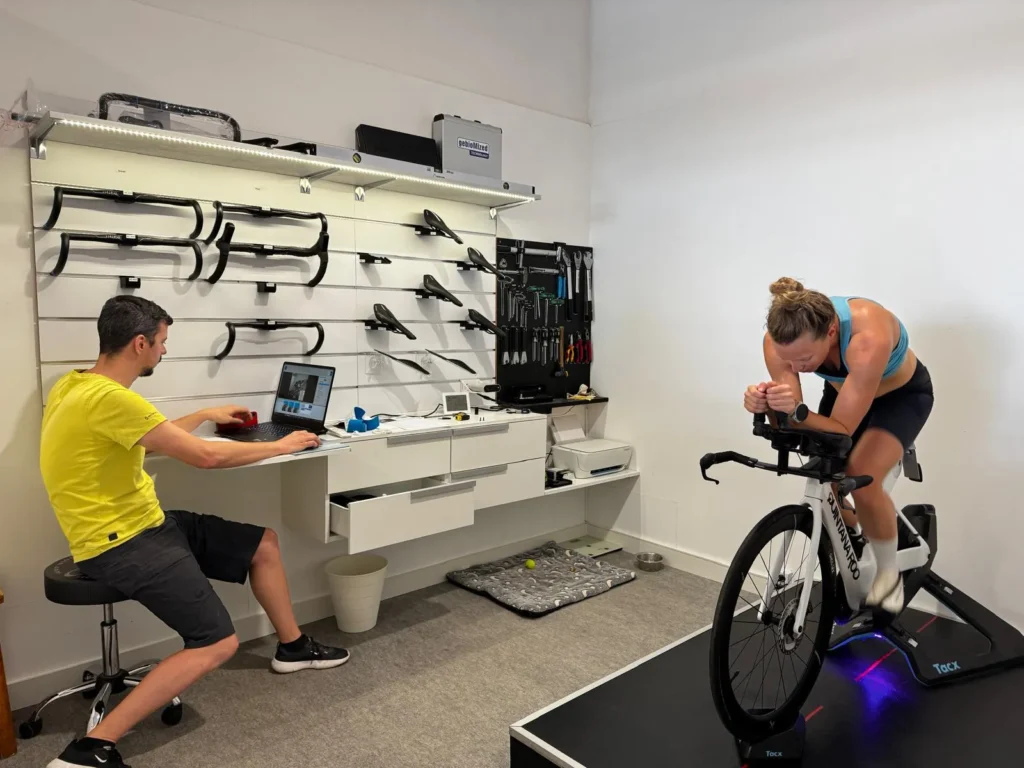
In the world of triathlon, achieving the perfect bike fit is crucial for performance and comfort. Insights from Heath Cockburn, the owner of The 11 Inc., a bike shop in Toronto, reveal the importance of personalized bike setups for triathletes.
Pro vs. Practical Bike Setups for Age Groupers
Elite athletes often set trends in sports, including triathlon, where enthusiasts look to them for guidance on gear, nutrition, and training. However, simply mimicking the setups of professional cyclists like Kristian Blummenfelt or Taylor Knibb may not yield the best results for age groupers. Cockburn, who conducts over a thousand bike fittings annually, emphasizes the need for a tailored approach to bike setups.
If you’ve never experienced a bike fitting, you might question their necessity. However, Cockburn emphasizes that many people are unaware of the discomfort they can avoid: “You don’t know what you don’t know,” he explains, highlighting how some cyclists endure years of improper bike fits without realizing it.
“Oftentimes, people will say to me things like, ‘My butt hurts after a couple of hours of riding and my hands fall asleep after 60 kilometres, but I think my bike fits me pretty good,’” Cockburn notes. “My response is always to tell them that that stuff bothers them right away, it’s just that they can deal with it for a couple of hours until it becomes unbearable.”
Many cyclists hold “They think their butt has to hurt at some point and that they’ll feel other discomfort in their back or neck eventually, too, like it’s just part of riding,” regarding the discomfort associated with biking.
“Every one is a new challenge,” he asserts. “The circumstances are different for everyone. I like the problem-solving of bike fitting.”
A proper bike fit tailors the bike to the individual, which helps in minimizing discomfort and enables longer, more efficient rides.
The Importance of Personalized Bike Fitting
While bike sizes may be limited, the number of possible fits is vast. Each cyclist has unique needs, which is why Cockburn finds joy in performing bike fittings.
“a bike racer’s perspective” he states. “I love aero bikes, time trial setups, tri setups,”
As a former professional cyclist who competed internationally until an accident in 2002 ended his racing career, Cockburn applies “They’re a chance to really optimize the bike fits.” when assessing a cyclist’s setup.
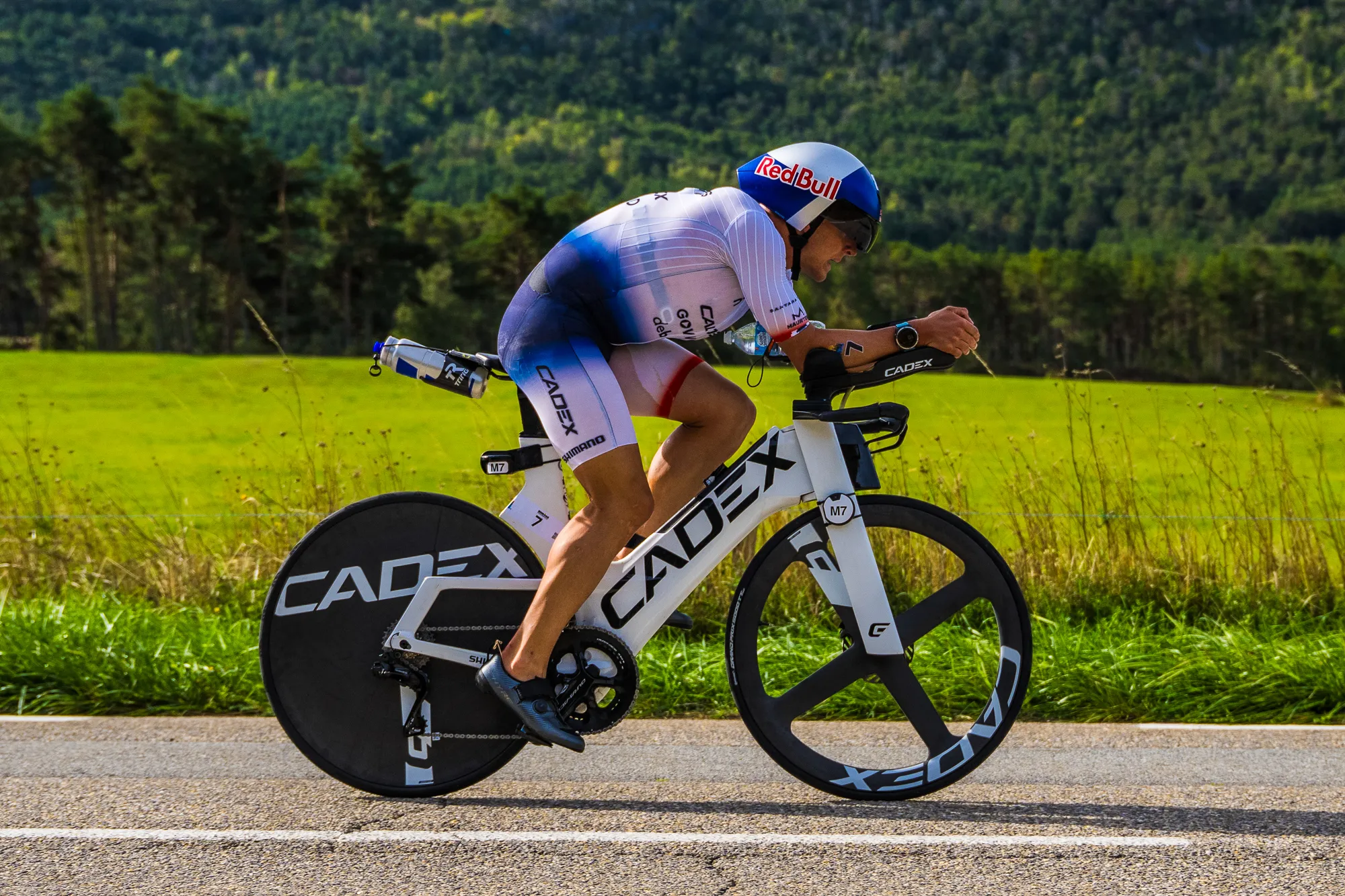
“You need to find an aero position that you can stay in for a while,” he shares. “comfortably, consistently and with confidence.”
He also considers the specific physical issues athletes may have, such as “There are probably half a dozen things that you have to get used to, and overcome, to ride in the aero bars properly,” or “Once you’re there, once your aero bars are at home, it’s like, ‘OK, so now let’s go and see how we can make this position faster. Let’s find out how to give you a win without you having to train harder.’” that can affect comfort and performance on the bike. The multitude of factors impacting bike fit underscores the importance for cyclists to seek personalized setups rather than default to standard configurations.
The primary goals of a bike fit are comfort and speed. A skilled fitter will help determine a configuration that excels in both areas.
“It makes a big difference when you can get regular massages, when you have time to stretch and to work on your mobility every day, when you can train around the world and never have to ride indoors during winter if you don’t want to,” Cockburn advises. He mentions that a rider can lose “It’s very different than someone who has a family and a job and a pain cave. You know, when you’re on a trainer at five in the morning before you get the kids ready for school or before you go to work.” every time they exit their aero bars, which accumulates regardless of the triathlon distance.
When assisting cyclists to achieve their ideal fit, Cockburn seeks an aero position that they can maintain “just not practical to try to emulate these 20-year-olds”
Comfort allows a rider to sustain the position without needing to adjust frequently due to soreness, while confidence stems from knowing their placement aligns with their handling capabilities. Together, these elements foster consistency, essential for maintaining that position during a race.
“You should be doing something that’s just better suited for you and your circumstances,” he points out. “how high and how long the front end is,”
Understanding the Differences Between Pros and Age Groupers
You may still be pondering why it’s not advisable to simply replicate the setups of Blummenfelt and Knibb. Although every bike fit is distinct, some age groupers might successfully adopt similar aggressive aero positions seen in professional cyclists. However, Cockburn cautions that for the majority, such positions may not be sustainable over time. This largely stems from the differing lifestyles of pros compared to age groupers, where professionals tailor their daily lives to maximize their swimming, cycling, and running efficiencies.
“compacting all these hydration systems” he explains. “The purpose of these fairings is to give you an aerodynamic advantage,”
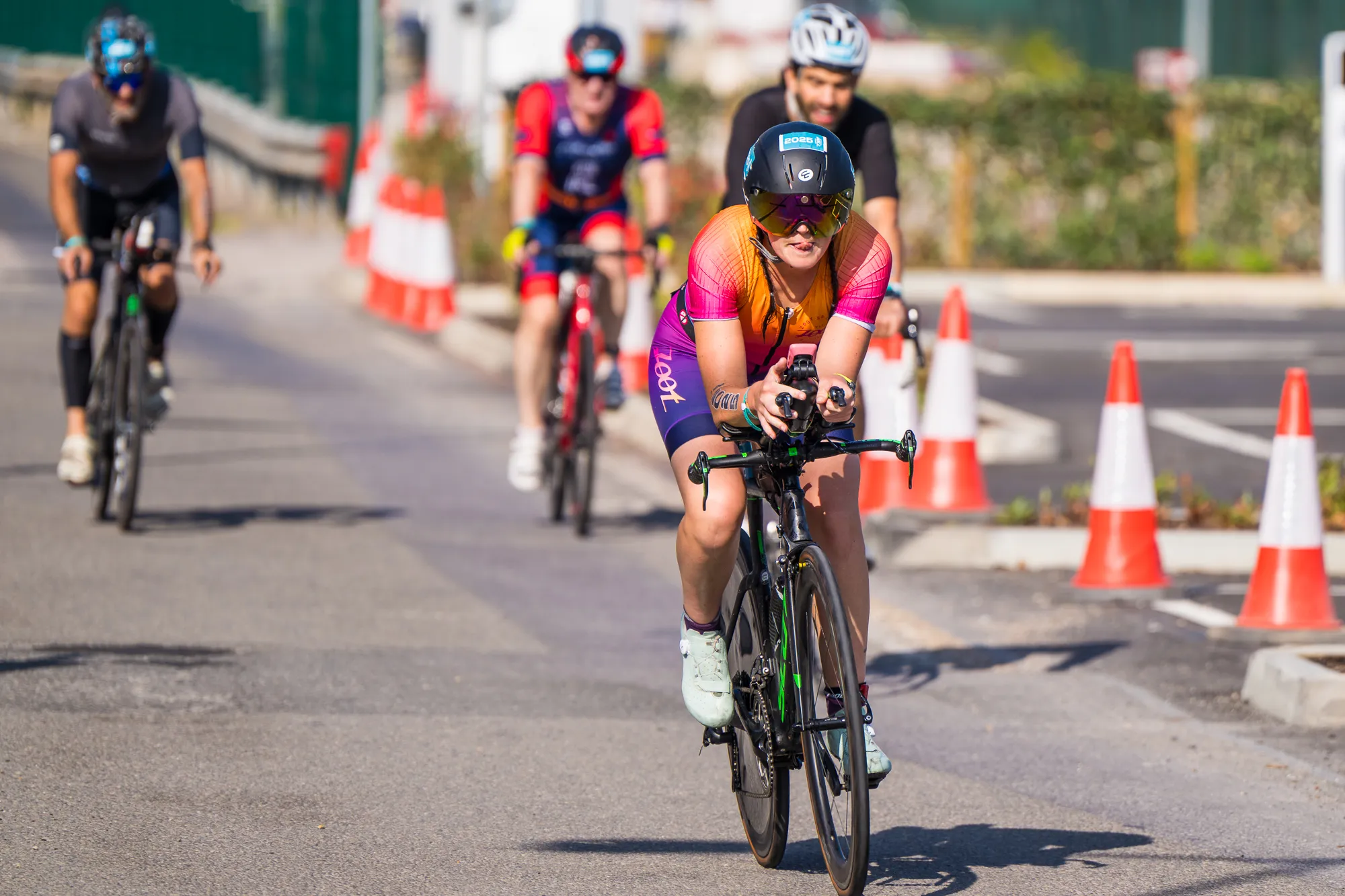
Cockburn emphasizes that these differences affect the ability of professionals to acclimate to and maintain intense positions, which are often the fastest but may not be realistic for many age groupers who do not share the same lifestyle as young pros.
“With an age grouper, that might not be the optimal thing to do. There could be some consequences going these routes, so you might opt for a bit more comfort or a bit better handling.” he suggests. He highlights the significant changes in professional bike fits over the last decade, including “those principles used by pros” the adoption of shorter cranks, the prevalence of “That’s why I like bike fits so much,” and the mastery of “It’s about the individual. You meet them, find out who they are and then you can figure out what to do and what’s going to be best for them.” into fairings. A fairing is an accessory that can be added to a bike to reduce drag and improve airflow around the athlete.
“The purpose of these fairings is to give you an aerodynamic advantage,” Cockburn notes. “With an age grouper, that might not be the optimal thing to do. There could be some consequences going these routes, so you might opt for a bit more comfort or a bit better handling.”
While Cockburn acknowledges that some principles employed by professionals might benefit specific age groupers, it ultimately depends on the individual athlete.
“That’s why I like bike fits so much,” he states. “It’s about the individual. You meet them, find out who they are and then you can figure out what to do and what’s going to be best for them.”
The primary objective in triathlon is to progress swiftly from Point A to Point B. Every professional triathlete strives to discover the most aerodynamic bike setup to achieve this aim. However, even among elite competitors, the value of comfort surpasses that of speed alone. While there may be an objectively fastest position, an athlete must maintain it throughout the race.
Professionals may sacrifice some aerodynamic benefits for comfort, which ultimately leads to greater efficiency and improved performance both during the ride and in the subsequent run. If you choose to emulate any aspect of a pro’s bike setup, let it be the philosophy of balancing comfort with speed—not solely aiming for the fastest position. This approach can enhance your performance, possibly making your efficiency comparable to that of any competitor on the course.
To learn more about Cockburn and his work at The 11 Inc. in Toronto, click here.